
www.glaucoma.comThe retina is a thin tissue in the back of the eye containing different kinds of nerve cells. Among these are retinal ganglion cells (RGCs) — and they are particularly important in glaucoma because they are the cells that are damaged primarily by the disease.
Clinical Archive
Optometry to Ophthalmology Referrals

By Dr Clive NovisThe most important point for optometrists to bear in mind is that nowadays, no one ophthalmologist can be a master of all things ophthalmological. Each ophthalmologist has his special field of interest. Sure, you get Jack-of-all-trades especially in the rural areas, but this is usually out of necessity from an undersupply of ophthalmologists in that area.
Make your diagnosis
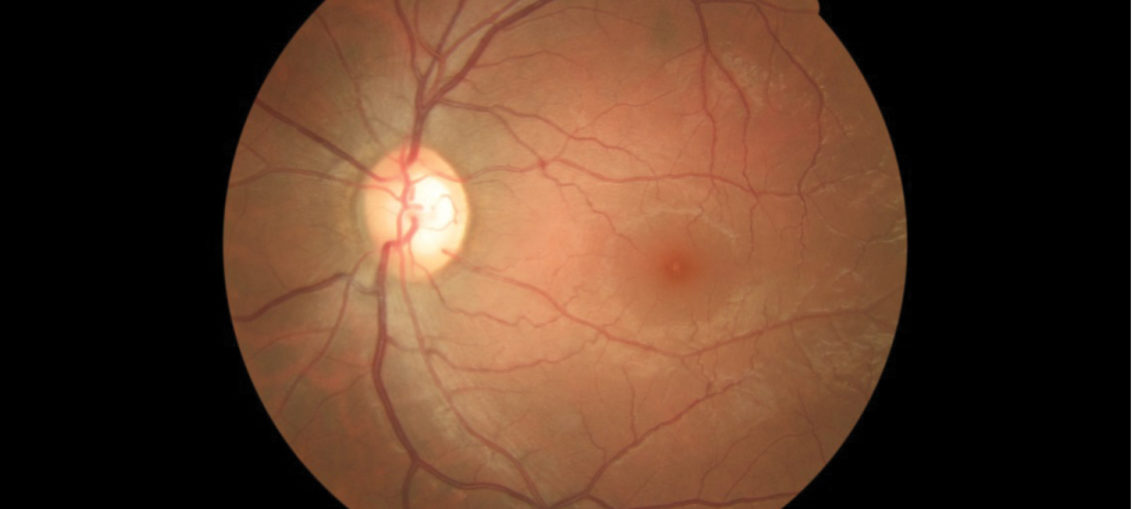
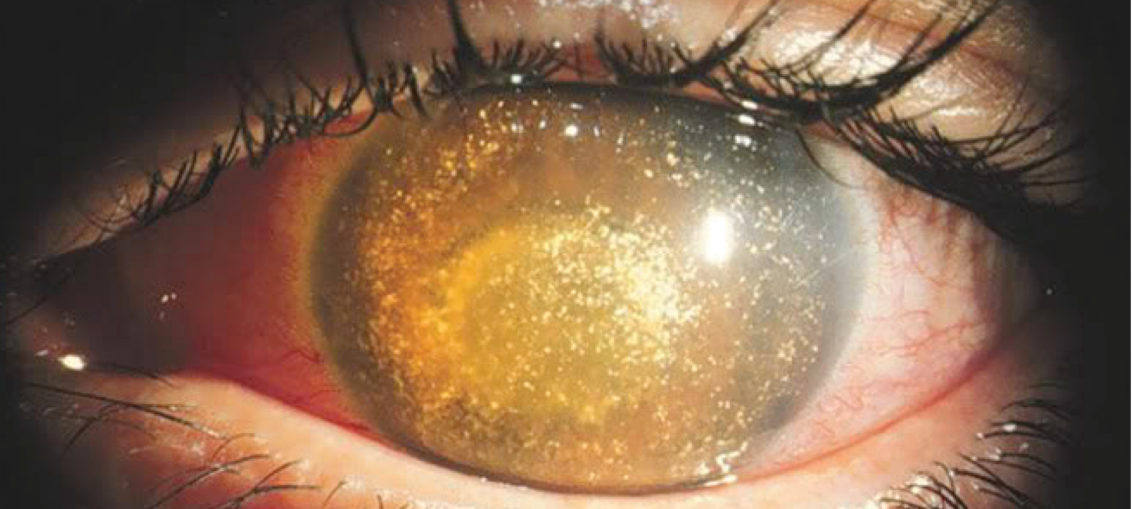
Asteroid Hyalosis versus Synchysis Scintillans
A low vision magnification breakthrough: the special lens laboratory sets a new record with a +70D lens
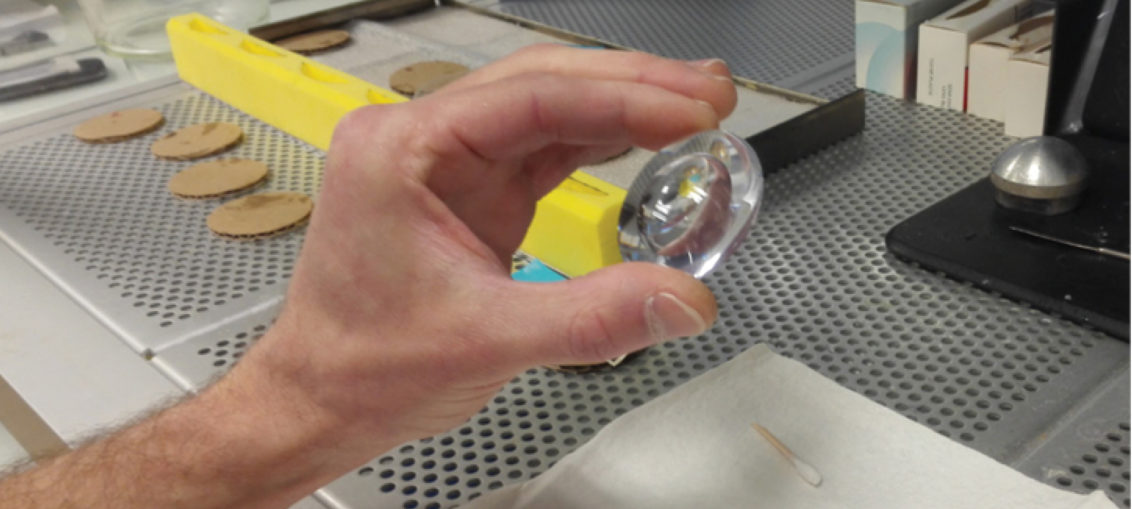
Article by courtesy of: Points de VueFor people suffering from low vision today, it often takes tenacity and perseverance to find an optical solution that allows them to optimise their remaining sight. Meg Zatorski knows this only too well. Afflicted with Stargardt disease (a common form of inherited juvenile macular degeneration), she spent a decade…
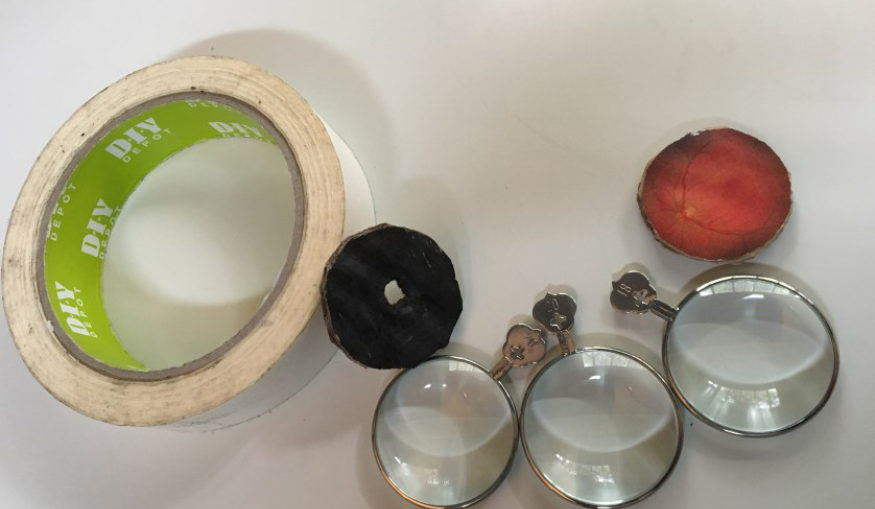
Making a practice eye for indirect ophthalmoscopy
Therapeutic use of disposable soft contact lenses in a patient with a chemical injury
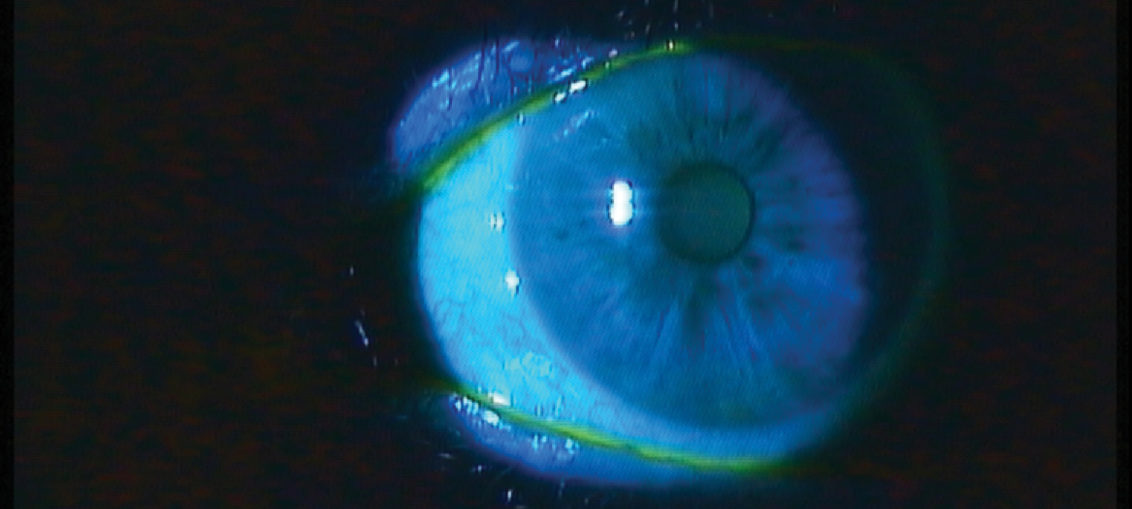
By Dr Dirk J BooysenA 58-year-old Caucasian female presented with a history of trying to clean a dark spot on her ceiling using a household cleaner which she splashed onto the ceiling and obviously into her eye while looking up. She visited the local hospital emergency unit where she received a tube of Maxitrol® ointment (antibiotic steroid combination) and instructions to make an appointment with an eye care practitioner as soon as possible. She arrived at our officetwo days after the injury occurred,in lots of pain and desperate for help. Her eye was hyperaemicand she had lost more than 60% of the corneal epithelium as well as a large chunk of the conjunctival epithelium in the 7h00 to 8h00 bulbar area (Figure 1).
Contact lens management of pterygia and pingueculae
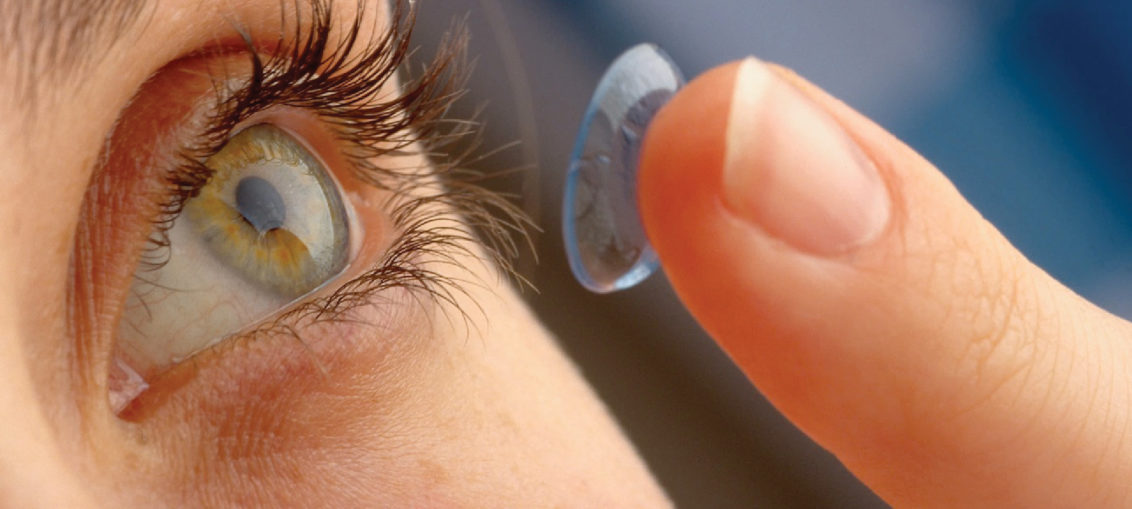
By Thomas P. ArnoldElevated lesions of the conjunctiva such as pingueculae and pterygia1 oftentimes present challenges in fitting the patient desiring refractive correction with contact lenses. These lesions can be irritated and thus become inflamed from a contact lens that has a less-than-optimal fit. Historically, management usually meant fitting a small diameter corneal RGP lens or soft lens which avoided the lesion(s) either by a smaller diameter or vaulting it completely in a large, often custom, design.
When to consider Minimally Invasive Glaucoma Surgery (MIGS)
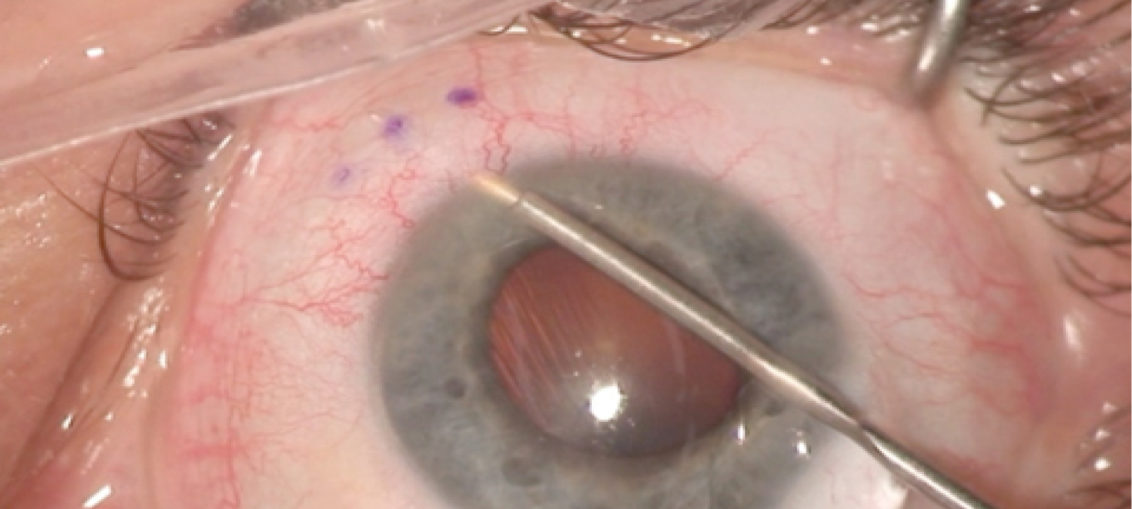
By Prof. Paul RamkissoonAlthough optometrists in various parts of the world, including South Africa are treating glaucoma with topical medications, there are instances when some patients warrant referral to an ophthalmologist with special interest in minimally invasive glaucoma surgeries or micro-invasive surgeries (MIGS).