

By Pieter NaudéThis 39-year-old patient was referred in June 2018 for the fitting of scleral contact lenses after being diagnosed with Keratoconus. His uncorrected distance visual acuity was 6/60- OU.
Clinical Archive
Case Study: Dr Dirk Booysen – Vascularised Limbal Keratitis with RGP lenses

By Dr Dirk BooysenMs. P is a 37-year-old Caucasian female with high myopia and moderate astigmatism. She wears RGP lenses and has done so for many years. Although her vision with the lenses was excellent, she complains of discomfort and redness (Figure 1) which does not clear even after removing the lenses.
Johnson & Johnson Vision’s Investigational Antihistamine-Releasing Contact Lens Demonstrates Positive Phase 3 Results

Two placebo-controlled studies published in Cornea show potential for contact lenses to correct vision and reduce occurrence of eye itch from allergies JACKSONVILLE, Fla. (March, 26, 2019) – Johnson & Johnson Vision today announced that results from two Phase 3 clinical studies evaluating the company’s investigational antihistamine-releasing contact lens (etafilcon A
Central Serous Retinopathy
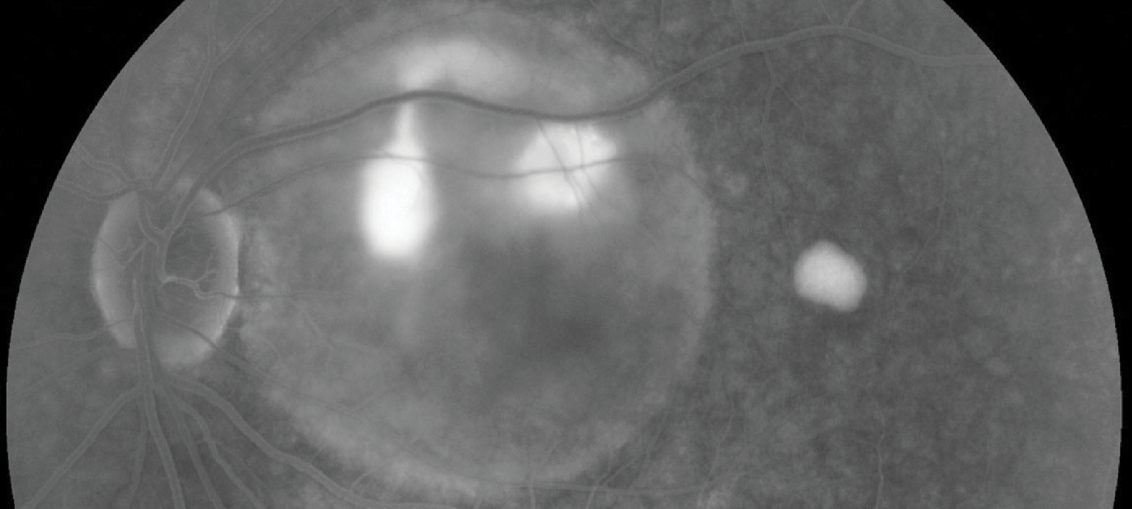
By Prof Paul RamkissoonCentral serous retinopathy (CSR) is believed to be an idiopathic disorder typically found in the macula, characterised by a neurosensory detachment from the retinal pigment epithelium (RPE) and a localised pigment epithelial detachment (PED). Patients with CSR usually present with complaints of sudden onset distortion or blurring of central vision.
Ophthalmology Sub-specialities
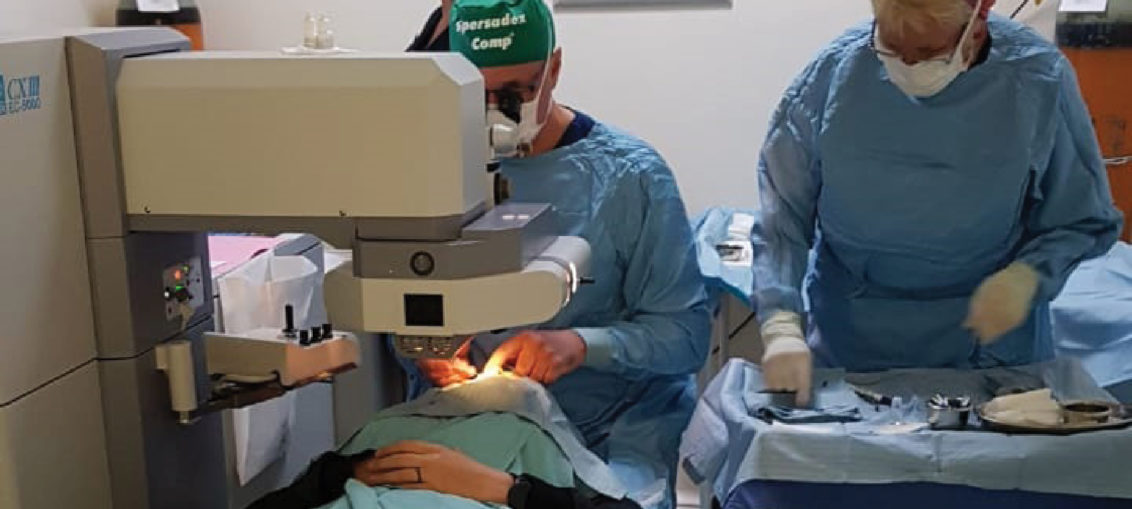
By Dr Clive NovisIt is of obvious importance that optometrists know about the various modern local sub-specialities in ophthalmology. Accurate referral to the correct sub-specialist is in the patient’s best interest in terms of the final outcome of a procedure. It is also the most convenient route with the best financial outcome. For instance…
Monocular vision in aviation

By Dr Dirk BooysenMonocular infers that the individual has the use of one eye only. Although many individuals are truly monocular due to the loss of one eye due to trauma or disease, most so called monocular individuals still have some vision in the weaker eye. As early as 1938 Livingston distinguished between the monocular individual (two eyes present, with loss of central vision in one eye) and the uniocular individual (one eye present) (Wright et al., 2013). Typically uniocular/monocular, or individuals with binocular visual problems…
Macular Telangiectasia
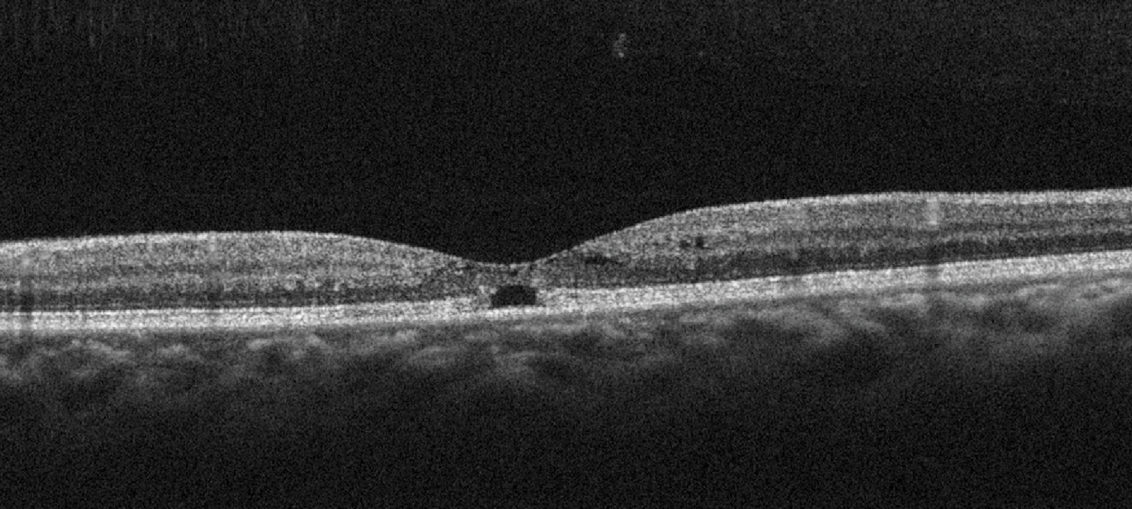
By Prof Paul RamkissoonMacular telangiectasia sometimes referred to as idiopathic juxtafoveal macular telangiectasia (abbreviated MacTel), is a disease that affects the macula, causing degradation of central vision. Essentially, macular telangiectasia causes disease within the tiny blood vessels that affect the fovea causing loss of fine detail, especially reading the fine print.
Be My Eyes – Become a volunteer to help the blind

-Ed Here is an opportunity to be of great assistance to the visually impaired by signing up as a volunteer. Be My Eyes is a free app that connects blind and low-vision people with sighted volunteers and company representatives for visual assistance through a live video call. History of Be My Eyes The
Scleral lens glossary

Answer: Make your diagnosis
Refer to: Make your Diagnosis (VMO December 2018) Preliminary diagnosis: Central Serous Retinopathy Additional test: OCT - confirmation of diagnosis by ophthalmologist Plan of action: No prescription change recommended Regular follow-up to monitor sub-normal acuity in the left eye The condition is likely to resolve over time.